Custom Homes: Transforming Your Vision into Reality
- alfordleigh
- May 7
- 4 min read
Building a custom home is more than just a construction project; it’s about creating a space that reflects your personality, lifestyle, and dreams. The journey of transforming your vision into reality can be both exhilarating and overwhelming. With the right guidance and planning, you can navigate this process smoothly and create a home that is uniquely yours.
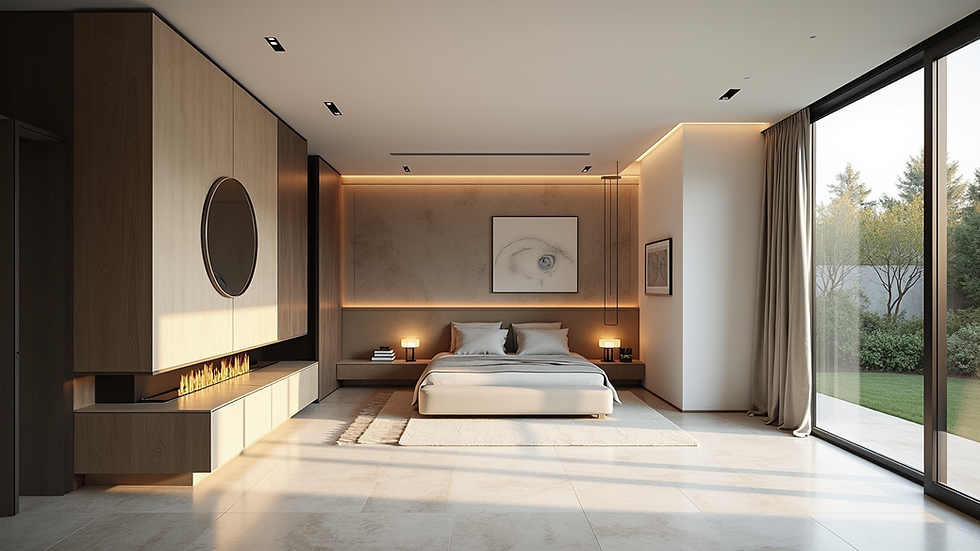
Understanding Custom Homes
What is a Custom Home?
A custom home is a one-of-a-kind residence designed and built specifically for a particular client. Unlike standard homes, which are built from pre-existing plans, custom homes allow homeowners to make choices about every aspect of their home, from the layout to the materials used. This level of personalization ensures that the home meets the specific needs and desires of the homeowner.
Benefits of Building a Custom Home
Personalization: You have complete control over the design and layout, allowing you to create a space that truly reflects your style.
Quality Control: You can choose high-quality materials and finishes, ensuring that your home is built to last.
Energy Efficiency: Custom homes can be designed with energy-efficient features, reducing your long-term utility costs.
Location Flexibility: You can select the perfect lot in your desired neighborhood, ensuring that your home is situated in the ideal location for your lifestyle.
The Custom Home Building Process
Step 1: Define Your Vision
Before you begin the building process, it’s essential to have a clear vision of what you want. Consider the following:
Lifestyle Needs: How many bedrooms and bathrooms do you need? Do you require a home office or a playroom for children?
Design Preferences: What architectural style do you prefer? Modern, traditional, or something in between?
Budget: Establish a realistic budget that includes construction costs, permits, and interior furnishings.
Step 2: Choose the Right Builder
Selecting the right builder is crucial to the success of your custom home project. Look for a builder with experience in custom homes and a strong portfolio. Here are some tips for choosing the right builder:
Check References: Ask for references from previous clients and follow up to learn about their experiences.
Review Portfolios: Look at the builder’s past projects to ensure their style aligns with your vision.
Communication: Choose a builder who communicates clearly and is willing to listen to your ideas and concerns.
Step 3: Design Your Home
Once you have a builder, it’s time to start designing your home. This phase typically involves:
Working with an Architect: Collaborate with an architect to create detailed plans that reflect your vision.
Selecting Materials: Choose materials for the exterior and interior, including flooring, countertops, and fixtures.
Planning the Layout: Decide on the flow of the home, including room sizes and their relationships to one another.
Step 4: Obtain Permits
Before construction can begin, you’ll need to obtain the necessary permits from your local government. This process can vary depending on your location, so it’s essential to work closely with your builder to ensure all requirements are met.
Step 5: Construction Begins
With permits in hand, construction can begin. During this phase, it’s important to:
Stay Involved: Regularly check in on the progress of your home and communicate with your builder about any concerns or changes.
Be Flexible: Understand that unexpected issues may arise during construction, and be prepared to adapt as needed.
Step 6: Final Walkthrough and Closing
Once construction is complete, you’ll conduct a final walkthrough with your builder. This is your opportunity to ensure everything meets your expectations. After any necessary adjustments are made, you’ll close on your new home and receive the keys.
Designing Your Custom Home
Key Design Elements to Consider
When designing your custom home, there are several key elements to consider:
Floor Plan: Open floor plans are popular for their spacious feel, while traditional layouts offer defined spaces.
Natural Light: Incorporate large windows and skylights to maximize natural light and create a warm atmosphere.
Outdoor Spaces: Consider adding patios, decks, or gardens to enhance your outdoor living experience.
Popular Custom Home Features
Smart Home Technology: Integrating smart home systems can enhance convenience and security.
Energy-Efficient Appliances: Choose appliances that are energy-efficient to reduce your environmental impact and save on utility bills.
Sustainable Materials: Opt for sustainable building materials that are eco-friendly and durable.
Budgeting for Your Custom Home
Understanding Costs
Building a custom home involves various costs, including:
Land Costs: The price of the lot where your home will be built.
Construction Costs: Expenses related to labor, materials, and permits.
Interior Furnishings: Budget for furniture, decor, and landscaping.
Tips for Staying on Budget
Create a Detailed Budget: Outline all expected costs and keep track of expenses throughout the process.
Prioritize Features: Identify which features are most important to you and allocate your budget accordingly.
Plan for Contingencies: Set aside a portion of your budget for unexpected expenses that may arise during construction.
Common Challenges in Custom Home Building
Navigating Delays
Delays can occur for various reasons, including weather conditions, supply chain issues, or permitting delays. To mitigate these challenges:
Stay Informed: Regularly communicate with your builder to stay updated on the project timeline.
Be Flexible: Understand that delays may happen and be prepared to adjust your expectations.
Managing Expectations
Building a custom home can be an emotional journey. It’s essential to manage your expectations throughout the process:
Stay Realistic: Understand that not everything may go according to plan, and be prepared for compromises.
Celebrate Milestones: Acknowledge and celebrate key milestones in the building process to maintain motivation.
Conclusion
Building a custom home is a rewarding experience that allows you to create a space that reflects your unique vision. By understanding the process, working with the right professionals, and staying involved, you can transform your dream into reality. Remember to stay flexible and manage your expectations, and you’ll be well on your way to enjoying your beautiful new home.
As you embark on this journey, take the time to research, plan, and communicate effectively. Your custom home awaits, and it’s time to make your vision a reality.

Comments